And internet-based file hosting made it much easier to do that.
By about 2010, I had perfected my technique of finding music using keywords on search engine sites. For example, if I was looking for the Sun City Girl's album, "330,003 Crossdressers from Beyond the Rig Veda," all I really had to do was type that in with either the word "blogspot", "rar" or "exe" to find a link to a full, downloadable copy of the album via some sort of specialized blog for exactly the type of music I was looking for.
I've already come to the conclusion that taking music without paying for it is illegal and unethical, but hard to change by outside forces. However -- within the last two posts, it was clear who was receiving the short end of the stick. But who is actually hurt by these blogs?
In my opinion -- not really anyone. The majority of these online blogs focus on rare, obscure and out-of-print musics from around the world.
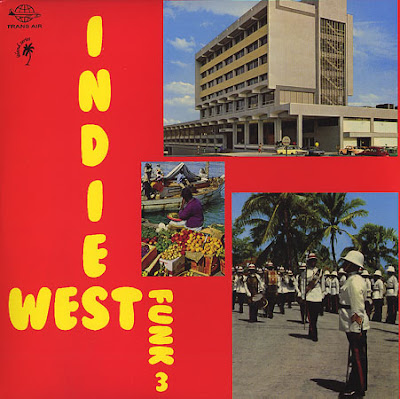
The labels that produce these albums aren't hurt by their distribution because many of these albums have been out of print for such a long time, and the artists are benefitting from a renewed interest in their work.
However, these blogs can be used in the distribution for new, leaked music that can hurt album sales.
I understand that.
However, there are three parties who are technically in "the ethical wrong," however which one should take the fall?
The person downloading music, the "stealer"?
The blog for advertising the fact that you can and should illegally download music?
Or the file hosting company for hosting these illegal files?
According to Aristotle, the intent of the blogs is virtuous -- the idea of wanting to share music and culture for the greater empowerment of all peoples is virtuous, despite the the consequence. So according to our Greek philosopher, the blogs aren't at fault for anything, and the entire act is ethical.
Hmm. Okay, let's try a different route.
According to Kant, the ends (the cultural empowerment of people through music) don't justify the means -- and since the means of people downloading these musics are through these file hosting sites, they are in the wrong.
Who is at fault, and can there be a consensus before things hit the fan?
Nope.
http://iamtheleastmachiavellian.blogspot.com/2012/09/mediafire-links-removal.html
http://bodegapop.blogspot.com/2012/01/guilty-until-proven-innocent.html
http://www.pcworld.com/article/230515/So_Youre_Being_Sued_for_Piracy.html

Great post. What I find interesting are the ways people justify the illegal downloading of music. It's so clearly stealing and it's so clearly not compensating the people who worked to bring it to you (the musicians, the record label, etc.), so I've found that people need something combat the guilt or confrontation associated with the act.
ReplyDelete1. The idea that music "should" be free.
This has a weird ethical slant to it in the sense that the perpetrator is boldly doing what they think is "right" even though the government says it's "wrong." This can be seen as the person doing something controversial to (in their mind) contribute to the greater good and bring the world towards harmony. Communitarian, perhaps? That's optimistic. This person probably just wants some free music.
2. It's not stealing because nobody's losing anything! It's a victimless crime!
I sympathize with this one. Unlike with books or food, you're not diminishing the supply of the product. However, it actually has a very similar effect. If you steal a piece of furniture, you’ve reduced the carpenter’s ability to sell furniture by taking away a piece of furniture he could sell. If you steal music, you’ve reduced the musician’s ability to sell music by eliminating yourself as a potential customer, and additionally by promoting the downloading culture in general. It's a good example of how ethics can get muddy in the online world, where things feel so much less real and actions don't always feel like they have consequences.
3. I wouldn't have bought the CD if I had to pay for it, but now I might go to a concert and fund the band that way.
In my mind this is the most legitimate reason. It demonstrates some level of respect for the financial needs of the band and, in my mind, makes a good argument for why a band might want to give its music away for free after all. Sounds like consequentialism to me - actions defined by the end results. However, there's still no getting around the fact that it's stealing. Now it sounds like deontology - actions defined by the actions themselves. A good demonstration of how different ethical attitudes can lead you down different paths.
4. I'd rather steal than pay.
Hey, at least you're honest.